Soft Washing vs. Pressure Washing: Which Method Is Right for Each Surface?
Find out whether soft or pressure washing is best for your surfaces. Prevent damage and ensure thorough cleaning with this guide.
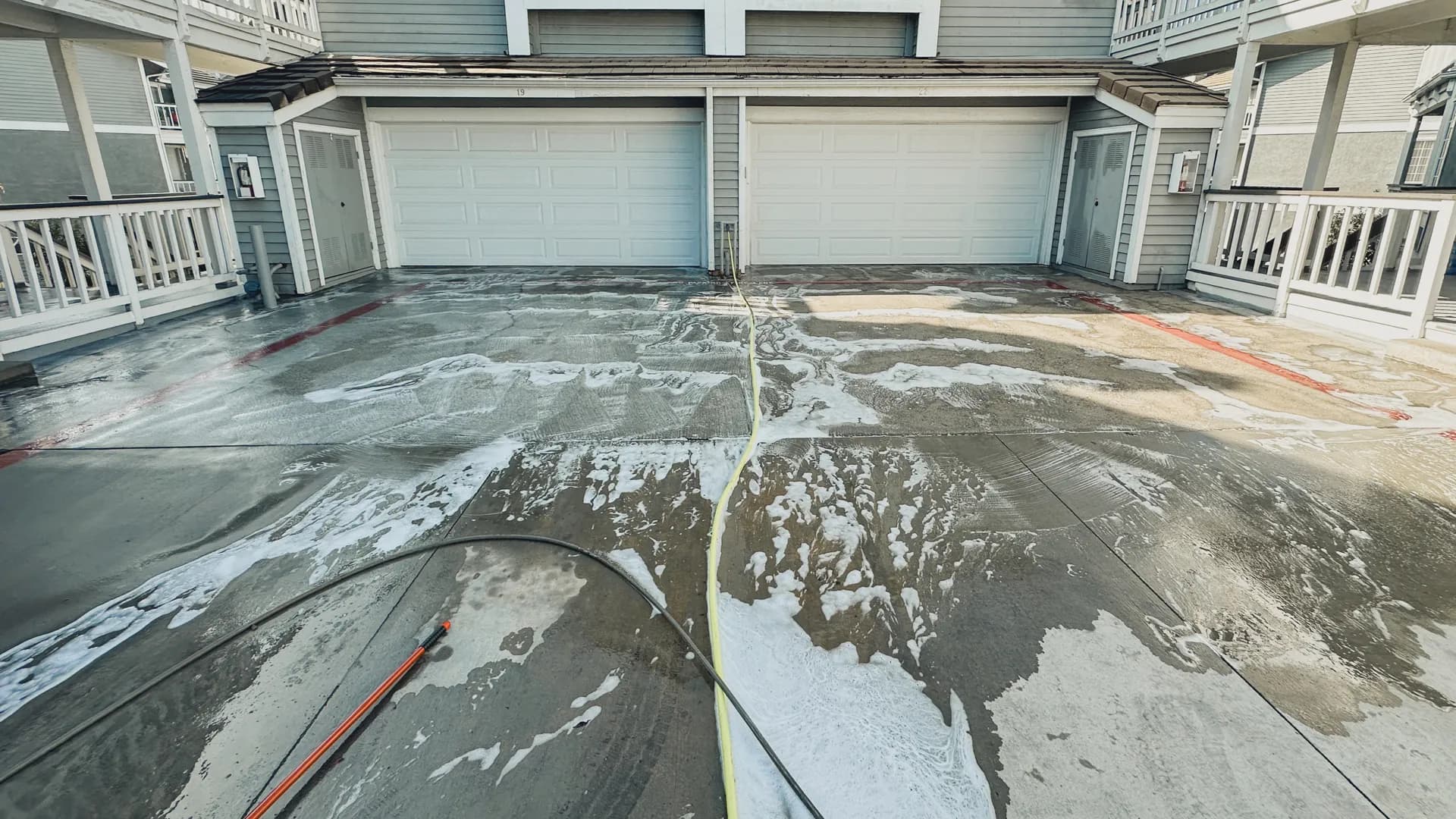
When exterior surfaces begin collecting dirt, algae, mildew, and other buildup, choosing the correct cleaning method matters. Some materials benefit from the force of pressure washing, while others require the gentler approach of soft washing.
Using excessive pressure on the wrong surface can cause permanent damage. Using too little cleaning power, however, may leave stubborn grime behind. The right choice depends on the surface, its condition, and the type of buildup being removed.
This guide explains the difference between soft washing and pressure washing and which method is generally appropriate for each area around your property.
What Is Soft Washing?
Soft washing uses low water pressure combined with specialized cleaning solutions to loosen and remove organic buildup. Instead of relying primarily on force, the cleaning solution treats contaminants such as:
Algae
Mildew
Mold
Moss
Lichen
Bacteria
Dirt and environmental buildup
Once the solution has had time to work, the surface is gently rinsed. This process is commonly used on roofs, siding, stucco, and other materials that could be damaged by high pressure.
Soft washing does not mean every surface receives the same chemical mixture. A professional adjusts the cleaning solution, application method, dwell time, and rinse pressure according to the material being cleaned.
What Is Pressure Washing?
Pressure washing uses pressurized water to remove dirt, grime, and buildup from durable exterior surfaces. It is particularly useful for hard materials that can tolerate mechanical cleaning, including many concrete and masonry surfaces.
Professional pressure washing involves more than directing a powerful stream of water at the property. The technician must select the correct:
Pressure level
Nozzle
Flow rate
Cleaning solution
Distance from the surface
Cleaning pattern
Too much pressure can etch concrete, strip paint, scar wood, damage siding, or force water into areas where it does not belong.
Soft Washing vs. Pressure Washing: What Is the Main Difference?
The primary difference is how each method performs the cleaning.
Soft washing relies mainly on appropriately selected cleaning solutions and low-pressure rinsing. Pressure washing relies more heavily on water pressure and flow to separate buildup from the surface.
Cleaning methodBest suited forHow it worksSoft washingDelicate surfaces and organic growthLow pressure and targeted cleaning solutionsPressure washingDurable hard surfacesControlled water pressure, flow, and cleaning agentsCombination cleaningProperties with several surface typesDifferent methods are used in different areas
Neither method is automatically better than the other. The safest and most effective option is the method suited to the specific surface.
Which Cleaning Method Is Right for Each Surface?
Asphalt Shingle Roofs: Soft Washing
Asphalt shingles should generally be soft washed rather than pressure washed. High pressure can loosen or remove protective granules, disturb shingles, and potentially shorten the roof’s service life.
A professional [roof cleaning] service uses a controlled treatment to address dark streaks, algae, moss, and organic growth without blasting the roofing material.
Recommended method: Soft washing
Avoid: Direct high-pressure washing
Tile Roofs: Soft Washing or Controlled Low-Pressure Cleaning
Concrete and clay roof tiles may feel extremely durable, but they can crack, shift, or lose their protective finish when cleaned incorrectly. Walking on the roof and applying excessive pressure can also create unnecessary risks.
The appropriate method depends on the tile material, roof condition, and type of buildup. Soft washing or carefully controlled low-pressure cleaning is generally preferred.
Recommended method: Soft washing or specialized low-pressure cleaning
Avoid: Aggressive pressure and careless foot traffic
Stucco: Soft Washing
Stucco is porous and can be vulnerable to chipping, etching, and water intrusion. High pressure may damage the finish or force water through cracks and openings.
Soft washing allows algae, mildew, dirt, and discoloration to be treated without placing unnecessary force on the material.
Recommended method: Soft washing
Avoid: Concentrated high-pressure spray
Vinyl Siding: Soft Washing
Vinyl siding can crack, bend, or become dislodged when excessive pressure is used. Water may also be forced behind overlapping panels, potentially contributing to trapped moisture.
A low-pressure [house washing] process is typically the safer way to clean vinyl siding.
Recommended method: Soft washing
Avoid: Spraying upward beneath siding panels
Painted Siding: Soft Washing
Painted surfaces should be evaluated before cleaning because older, oxidized, or poorly bonded paint may come loose even under relatively gentle conditions.
Soft washing is normally the preferred method, but the technician should first inspect for peeling paint, oxidation, cracks, and previous coating failure.
Recommended method: Soft washing after inspection
Avoid: High pressure that may strip or scar the paint
Wood Siding and Fences: Low-Pressure Cleaning
Wood fibers can become raised, splintered, or deeply marked by excessive pressure. Cleaning may involve a wood-safe solution followed by a gentle rinse.
The type of wood, age, coating, and condition all affect the proper approach.
Recommended method: Soft washing or controlled low-pressure cleaning
Avoid: Narrow high-pressure nozzles and aggressive spray patterns
Concrete Driveways and Walkways: Pressure Washing
Concrete is one of the surfaces most commonly associated with pressure washing. Professional equipment can remove embedded dirt, algae, tire marks, and general buildup more evenly than an uncontrolled spray from a narrow nozzle.
However, concrete is not indestructible. Excessive pressure can leave visible lines or etching, especially on newer, weakened, decorative, or previously damaged concrete.
For a deeper explanation, read our guide: Can Pressure Washing Damage Concrete?
Recommended method: Controlled pressure washing
Avoid: Excessive pressure, especially on new or deteriorated concrete
Pavers: Pressure Washing With Care
Pavers can often be pressure washed, but the joints require special attention. Excessive pressure may remove joint sand or disturb loose pavers.
The technician should inspect the installation and adjust the equipment accordingly. Joint sand may need to be replaced after cleaning.
Recommended method: Controlled pressure washing
Avoid: Concentrated pressure directly into the joints
Brick and Masonry: Depends on the Condition
Modern brick in good condition may tolerate controlled pressure washing. Older brick, weak mortar, and deteriorating masonry require a gentler approach.
The type of staining matters as well. White mineral deposits may require a specialized Efflorescence Removal process rather than ordinary pressure washing.
Recommended method: Soft washing or controlled pressure based on condition
Avoid: High pressure on damaged brick or weak mortar joints
Decks: Low-Pressure Cleaning
Wood and composite decks should be cleaned carefully. Excessive pressure may scar wood, expose fibers, damage composite material, or remove an existing finish.
A surface-specific cleaner and low-pressure rinse are generally safer than aggressive pressure washing.
Recommended method: Soft washing or controlled low-pressure cleaning
Avoid: High pressure close to the surface
Fences: Soft Washing or Low Pressure
The right method for a fence depends on whether it is made of wood, vinyl, masonry, or metal.
Vinyl and painted fences usually benefit from soft washing. Wood fences require low pressure to prevent damage to the grain. Masonry walls may tolerate controlled pressure if they are structurally sound.
Recommended method: Based on fence material
Avoid: Using one pressure setting on every type of fence
Exterior Windows: Specialized Window Cleaning
Windows should not be cleaned with uncontrolled high pressure. Excessive force can damage seals, screens, frames, and surrounding caulking or push water indoors.
Professional [window cleaning] commonly uses purified water, appropriate tools, and controlled rinsing for a spot-free finish.
Recommended method: Professional low-pressure window cleaning
Avoid: High pressure around seals, screens, and frames
Solar Panels: Specialized Low-Pressure Cleaning
Solar panels require a gentle approach. High pressure may damage seals, wiring components, coatings, or mounting areas. Abrasive brushes and harsh chemicals can also affect the panel surface.
Professional [solar panel cleaning] typically uses purified water and nonabrasive equipment to remove dust, pollen, and environmental buildup.
Recommended method: Purified-water, low-pressure cleaning
Avoid: Pressure washing and abrasive tools
Gutters: Low-Pressure Exterior Cleaning
The inside of a gutter is normally cleared by removing leaves, dirt, and other debris. Exterior gutter faces may be gently washed, although dark streaks sometimes require a separate treatment.
High pressure can loosen gutter connections, damage paint, or force water behind the fascia.
Recommended method: Debris removal with controlled exterior washing
Avoid: Excessive pressure around seams and roof edges
Commercial Concrete and Storefront Areas: Pressure Washing
Sidewalks, entryways, dumpster pads, loading areas, and other commercial flatwork often benefit from professional [commercial pressure washing].
Grease, gum, oil, and heavy buildup may require hot water, specialty cleaning solutions, or repeated treatment. Pressure alone may not remove every type of stain.
Recommended method: Pressure washing with treatment selected for the contaminant
Avoid: Assuming water pressure alone will resolve oil, rust, or mineral staining
Some Stains Require Specialty Treatment
Not every exterior stain is simply dirt. Certain contaminants require a specialized cleaning process:
Rust marks may require Rust Stain Removal
White mineral deposits may require Efflorescence Removal
Paint, overspray, and markings may require Graffiti & Paint Removal
Oil and grease may need commercial degreasers or hot-water cleaning
Hard-water staining may require mineral-removal products and careful agitation
Applying more pressure is not always the answer. In many cases, excessive pressure can damage the underlying surface without fully removing the stain.
Can Soft Washing and Pressure Washing Be Used Together?
Yes. Many properties require a combination of methods.
For example, a technician may soft wash the siding, use a surface cleaner on the driveway, clean the windows with purified water, and treat the roof using a roof-specific low-pressure process.
This surface-by-surface approach produces better results while reducing the likelihood of damage.
How Does a Professional Choose the Right Method?
Before cleaning begins, the contractor should consider:
The surface material
The age and condition of the surface
Existing cracks, oxidation, or loose coatings
The type and severity of the buildup
Nearby plants, fixtures, electrical components, and openings
The appropriate cleaning solution and pressure level
Whether a test area should be completed first
A responsible exterior cleaning plan is based on inspection—not a single pressure setting used throughout the property.
Soft Washing vs. Pressure Washing: Quick Reference Guide
SurfaceUsually recommendedAsphalt shinglesSoft washingTile roofsSoft washing or specialized low pressureStuccoSoft washingVinyl sidingSoft washingPainted sidingSoft washingWood sidingLow-pressure cleaningConcreteControlled pressure washingPaversControlled pressure washingBrickDepends on conditionWood decksLow-pressure cleaningVinyl fencesSoft washingExterior windowsSpecialized window cleaningSolar panelsPurified-water cleaningCommercial flatworkPressure washing
Professional Exterior Cleaning in Roseville and the Sacramento Area
Choosing between soft washing and pressure washing is not simply a matter of turning the pressure up or down. Every surface responds differently, and the wrong technique can lead to etching, damaged coatings, water intrusion, or other avoidable problems.
Buddy Bright Pressure Washing & Roof Cleaning provides professional exterior cleaning for homes and businesses in Roseville and surrounding Sacramento-area communities. We select the cleaning method according to the material, its condition, and the type of buildup present.
Contact Buddy Bright to request an estimate and determine the right cleaning approach for your property.
Frequently Asked Questions
Is soft washing safer than pressure washing?
Soft washing is generally safer for delicate surfaces such as roofing, stucco, siding, and painted materials. Pressure washing remains appropriate for durable surfaces when the equipment is used correctly.
Does soft washing use chemicals?
Soft washing uses surface-appropriate cleaning solutions to treat organic growth and other buildup. The specific mixture should be adjusted for the material and surrounding conditions.
Is pressure washing safe for concrete?
Pressure washing can be safe for sound, properly cured concrete when appropriate equipment and techniques are used. Excessive pressure or an incorrect nozzle may etch the surface or leave cleaning lines.
Can a roof be pressure washed?
Direct high-pressure washing is generally not recommended for asphalt shingles. Roofs should be inspected and cleaned using a method appropriate for their material and condition.
Which method lasts longer?
Results depend on the surface, surrounding vegetation, shade, moisture, weather, and type of buildup. Because soft washing treats organic growth instead of only removing visible discoloration, it may provide a more complete cleaning on affected surfaces.
Can one cleaning method be used for an entire property?
Usually not. A property may include roofing, siding, concrete, windows, and other materials that require different equipment and cleaning techniques.