Can Pressure Washing Damage Concrete?
Explore how pressure washing can impact concrete. Discover safe cleaning practices to avoid damage.
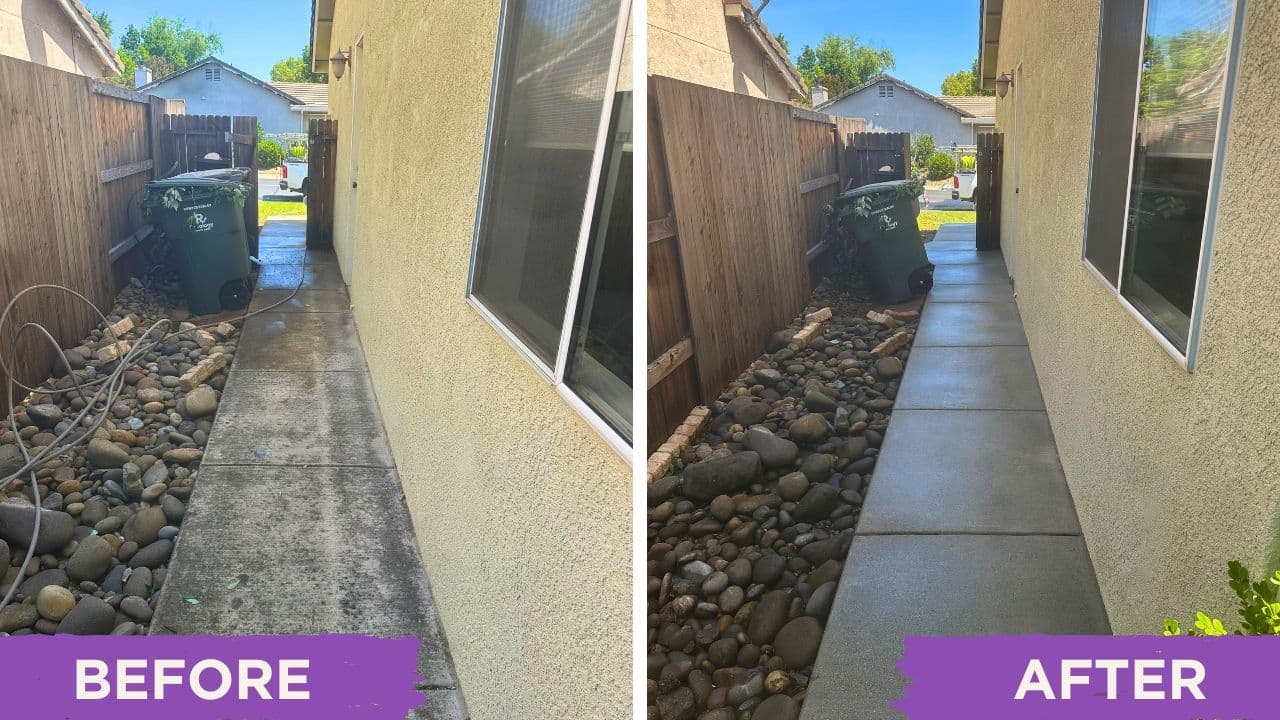
Can Pressure Washing Damage Concrete?
Yes, pressure washing can damage concrete if the water pressure is too aggressive, the nozzle is held too close, or the wrong technique is used. Improper cleaning may leave permanent lines, etch the surface, expose aggregate, strip a sealer, or worsen concrete that is already cracked or deteriorating.
That does not mean pressure washing is unsafe for every driveway or patio. Sound, properly cured concrete can usually be cleaned safely when the condition of the slab is inspected and the equipment, cleaning solution, pressure, distance, and technique are adjusted for the surface.
How Can a Pressure Washer Damage Concrete?
A pressure washer concentrates water into a powerful spray. Concrete is durable, but its surface can still be worn away when too much force is focused on one spot.
The most common causes of pressure-washing damage include:
Using a narrow, highly concentrated spray pattern
Holding the nozzle too close to the concrete
Pausing over one area instead of maintaining steady movement
Using maximum pressure to compensate for an untreated stain
Cleaning fresh, weak, flaking, or already damaged concrete
Applying the same method to sealed, colored, stamped, or decorative concrete
Cleaning too aggressively around cracks, joints, corners, and exposed edges
Pressure is only one part of the equation. Nozzle selection, water flow, distance from the surface, cleaning speed, spray angle, and the condition of the concrete all affect the result.
What Does Pressure-Washer Damage Look Like?
Some damage is visible immediately, while other problems become easier to see after the concrete dries. Warning signs can include:
Light or dark wand marks
Uneven stripes or circular cleaning patterns
A rough, grainy, or pitted surface
Newly exposed stones or aggregate
Chipping along cracks and slab edges
Peeling or patchy concrete sealer
Uneven color on decorative or stained concrete
Freshly cleaned concrete may look lighter simply because dirt and organic buildup have been removed. A color change alone does not always mean the concrete was damaged. Etched lines, a roughened texture, or missing surface material are more concerning.
Which Types of Concrete Need Extra Care?
Not every slab should be cleaned the same way. Extra caution is needed with:
Freshly Placed Concrete
New concrete continues developing strength after it is poured. Avoid aggressive washing until the installer or contractor confirms that the slab has cured sufficiently for the proposed cleaning method.
Cracked, Pitted, or Spalling Concrete
High-pressure water can loosen material that is already failing. Pressure washing does not usually create structural problems in sound concrete, but it can reveal or worsen weak surface areas.
Stamped, Colored, or Decorative Concrete
Decorative finishes can lose color, texture, or sealer if cleaned too aggressively. A test area and a surface-specific approach are important.
Sealed Concrete
A sealer may react differently than bare concrete. Excessive pressure or an incompatible cleaner can produce dull patches, peeling, or uneven protection. The condition and type of sealer should be evaluated before cleaning begins.
Exposed-Aggregate Concrete
Exposed aggregate is designed to show stone, but excessive force can remove the cement paste surrounding those stones and loosen the surface over time.
Is Pressure Washing Safe for Driveways and Patios?
In most cases, yes. Professional pressure washing services can safely clean sound concrete driveways, sidewalks, patios, pool decks, and other flatwork when the process is matched to the surface.
The goal is not to use the highest possible pressure. It is to use the least aggressive method that produces an even, thorough clean.
For Sacramento-area properties, concrete commonly collects dust, traffic film, irrigation residue, leaf stains, and organic growth in shaded or damp areas. Pretreating the buildup can reduce the amount of mechanical force needed to clean it.
How Professionals Reduce the Risk of Concrete Damage
A professional approach generally includes more than spraying the slab with a wand. Before beginning residential pressure washing, the cleaner should evaluate the surface and identify anything that may require special handling.
1. Inspect the Concrete
The surface should be checked for cracks, loose material, pitting, previous repairs, failing sealer, decorative finishes, and drainage concerns. Existing conditions may change the cleaning plan or limit the expected result.
2. Identify the Stain
Dirt, algae, grease, rust, irrigation marks, and leaf tannins do not respond to the same treatment. Trying to erase every stain with additional pressure can damage the concrete without correcting the discoloration.
3. Pretreat When Appropriate
A suitable cleaner can loosen surface buildup before pressure is applied. This allows the equipment to clean more effectively without relying on excessive force. Some stains may require specialized treatment and may only improve rather than disappear completely.
4. Use the Right Equipment and Technique
Nozzle selection, distance, pressure, flow, and movement should be adjusted for the slab. On larger flat areas, a properly operated surface cleaner can produce a more consistent finish than uneven wand passes.
5. Test a Small Area
A test spot helps confirm that the method is effective without changing the concrete’s texture or finish. This is especially important for older, decorative, previously repaired, or sealed concrete.
6. Rinse and Inspect the Finished Surface
After cleaning, residue and loosened debris should be rinsed away. Once the area begins to dry, it can be checked for missed buildup, uneven cleaning, and any pre-existing damage that is now more visible.
Why More Pressure Is Not Always the Answer
Deep oil stains, rust, paint, and mineral deposits may remain after ordinary pressure washing because they have penetrated the concrete or chemically bonded with the surface. Turning up the pressure may remove part of the concrete before it removes the stain.
A better approach is to identify the stain, use an appropriate treatment when possible, and set realistic expectations. Some discoloration can be significantly improved but not fully removed.
The same principle applies to other parts of a property. Siding, stucco, roofs, and other delicate exterior materials often require soft washing instead of the pressure used for durable concrete. Choosing the cleaning method by surface is one of the most important ways to prevent damage.
Can You Pressure Wash Concrete Yourself?
You can, but rental and homeowner pressure washers are still capable of leaving permanent marks. If you decide to clean the concrete yourself:
Read the equipment and surface-care instructions first
Clear the area and protect nearby doors, vehicles, plants, and electrical components
Begin with a less aggressive spray pattern in an inconspicuous area
Keep the nozzle moving at a consistent distance
Avoid concentrating the spray on cracks, edges, loose areas, or control joints
Do not assume every stain can be removed with pressure alone
Stop if the surface becomes rough, starts shedding material, or changes unevenly
Professional help is worth considering when the concrete is decorative, sealed, heavily stained, visibly deteriorated, or part of a larger property-cleaning project. Buddy Bright also provides commercial pressure washing for business entrances, sidewalks, and other exterior flatwork.
Frequently Asked Questions
Can a 3,000 PSI pressure washer damage concrete?
Yes. A machine’s PSI rating does not determine safety by itself. A narrow nozzle held too close can etch concrete, while a trained operator may use professional equipment safely by controlling the nozzle, distance, movement, and effective pressure at the surface.
Can pressure washing cause cracks in a driveway?
Pressure washing is unlikely to create a structural crack in sound concrete. However, a concentrated spray can loosen weak material, chip damaged edges, or worsen visible deterioration around an existing crack.
Can sealed concrete be pressure washed?
It may be possible, but sealed concrete needs extra care. The cleaner should identify the condition of the sealer, test the method, and avoid excessive pressure or incompatible cleaning products that could leave patchy areas.
Are pressure-washer lines permanent?
True etching removes or changes the surface and may be permanent. Light unevenness caused by inconsistent cleaning may sometimes be blended by recleaning the entire section properly. Severe damage may require repair, resurfacing, or a coating.
How often should concrete be pressure washed?
The right schedule depends on traffic, shade, nearby landscaping, irrigation, and the type of buildup. Many properties benefit from cleaning as needed rather than following a rigid schedule. Addressing slippery organic growth or heavy staining early can make maintenance easier.
Get Concrete Cleaned Without Unnecessary Damage
Pressure washing can damage concrete, but the damage usually comes from excessive force, poor technique, or failing to account for the condition and finish of the slab. With a proper inspection, stain-specific treatment, controlled equipment, and consistent cleaning, most sound concrete can be restored safely and evenly.
Buddy Bright provides concrete and exterior cleaning throughout Roseville, Sacramento, and nearby communities. Get an instant quote for your driveway, sidewalk, patio, or commercial flatwork.